Color, Coding, and Constructing

It was a wonderful Wednesday!

After reading more about Tua and her elephant (things are getting complicated), we prepared for our buddies.

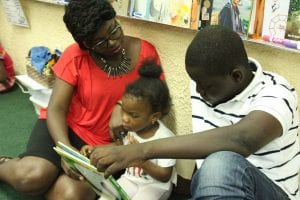
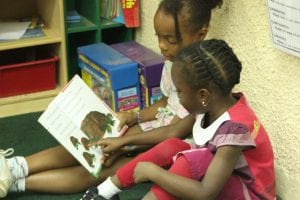
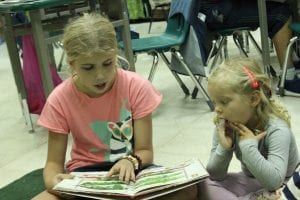
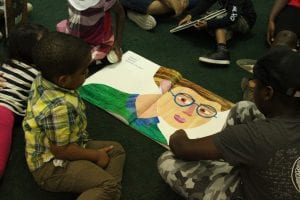
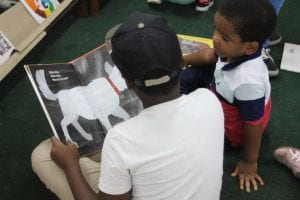
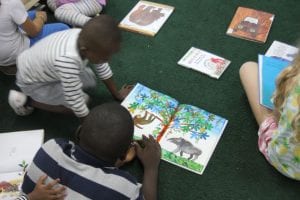
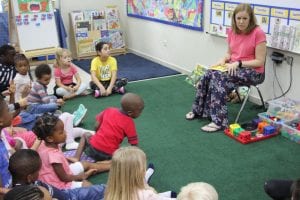
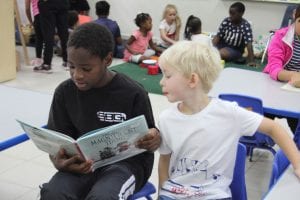
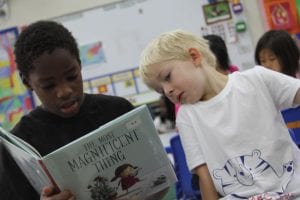
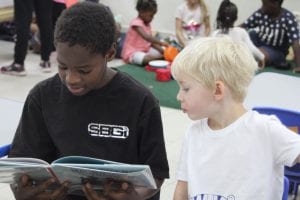
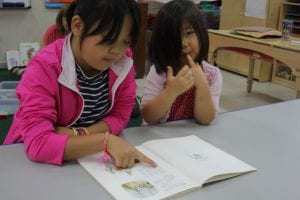
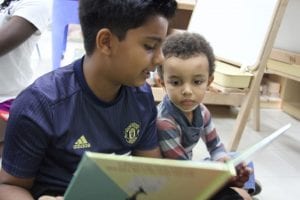
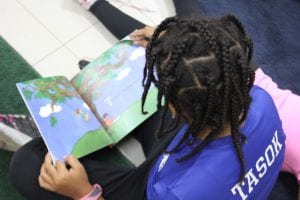
We began our time with our buddies sharing a read aloud called Red is a Dragon.


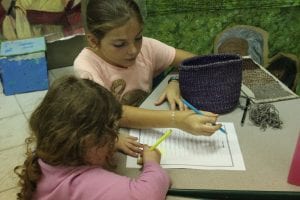
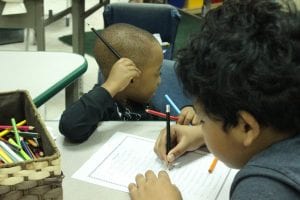
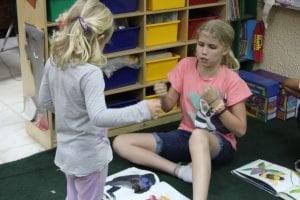
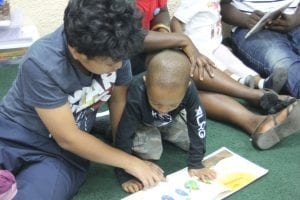
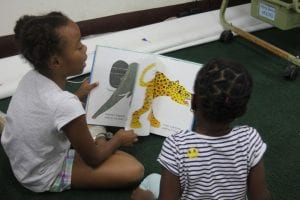
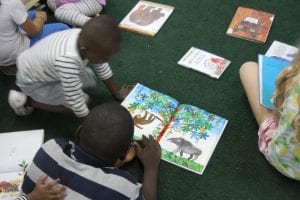
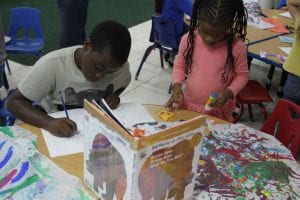
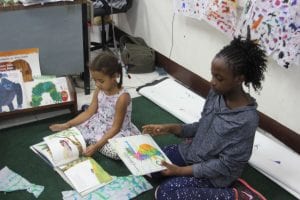
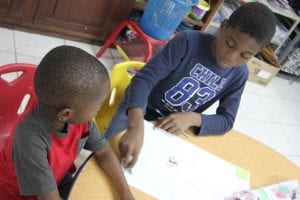
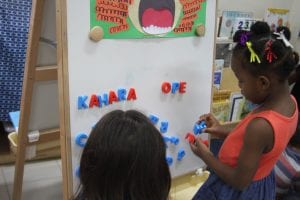
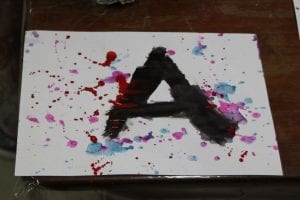
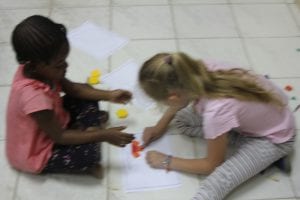
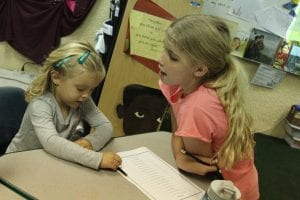
This book not only had a connection to our region of study, but allowed us to share something we all knew and love… COLOR. Yesterday, we started to write “I am…” poems related to being a risk-taker, so we used that same format to help our buddies write poems about a color. This was a tad challenging, but with patient and persistent prompting, we were able to craft some creative, color-filled poems. It was nice, at the end, to just share some quiet reading time with Eric Carle books.
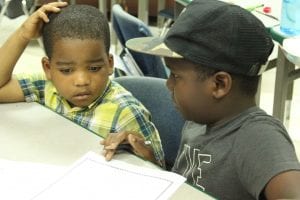
      

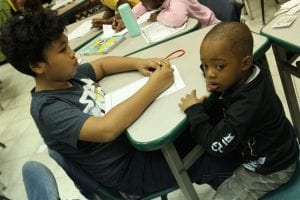
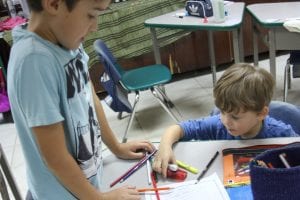
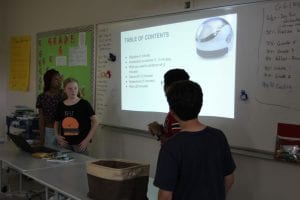
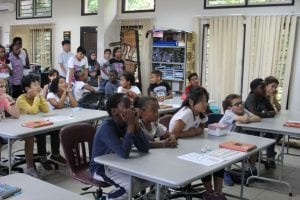
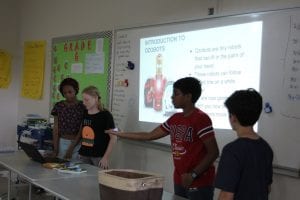
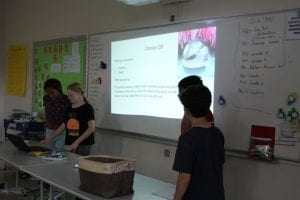
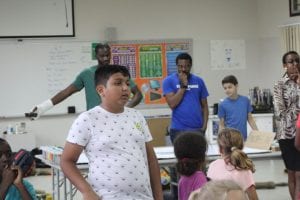
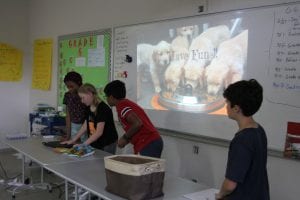
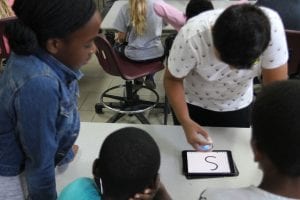
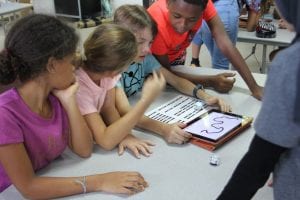
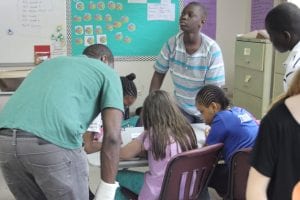
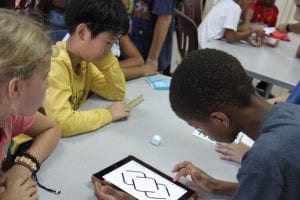
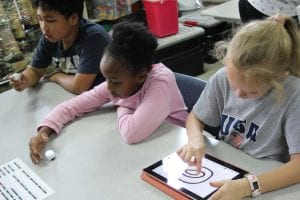
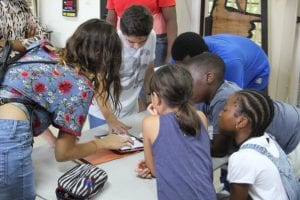
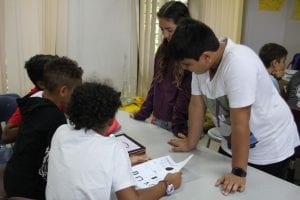
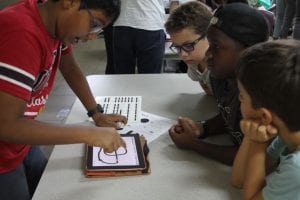
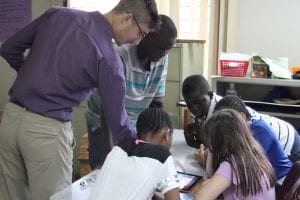
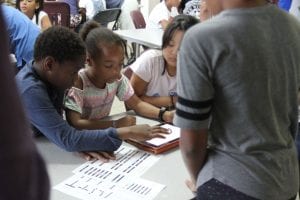
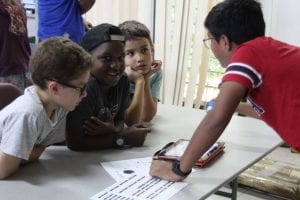
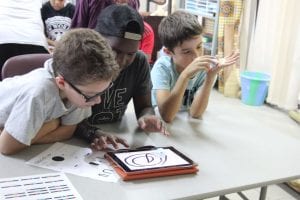
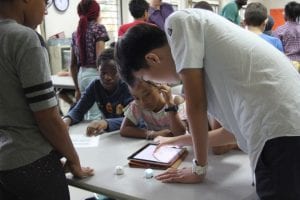
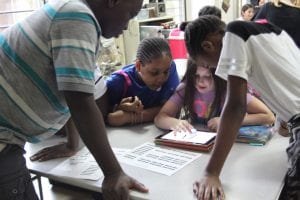
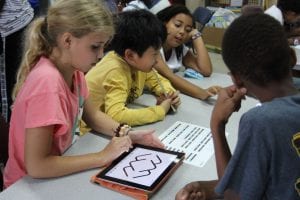
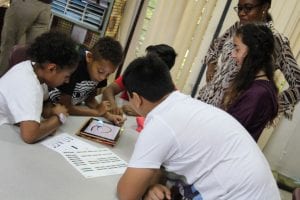
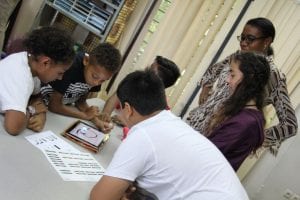
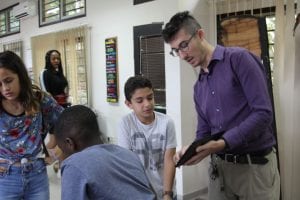
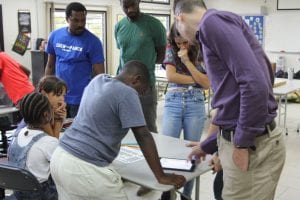
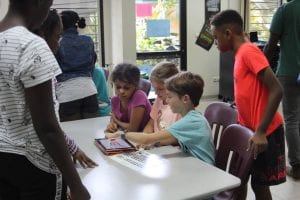
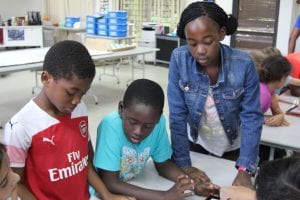
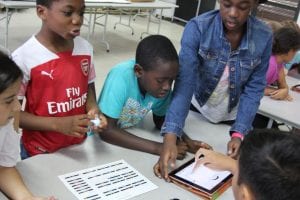
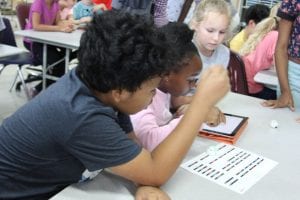
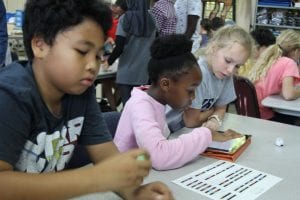
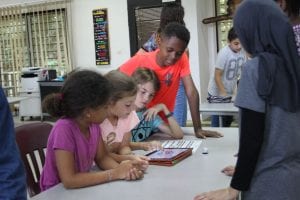
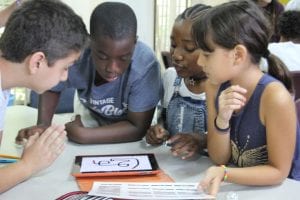
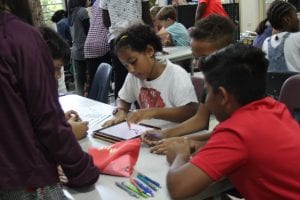
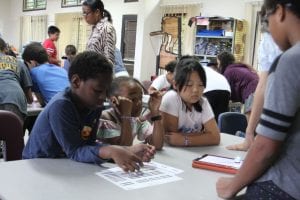
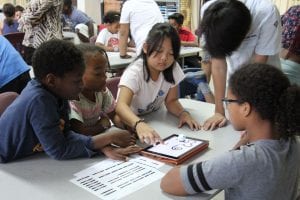
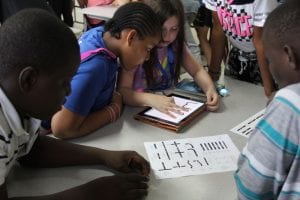
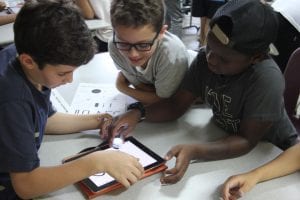
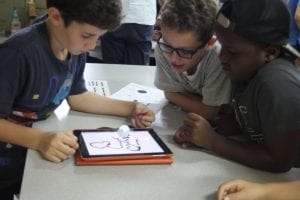
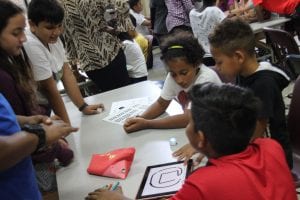
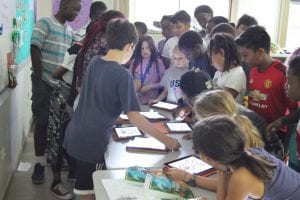
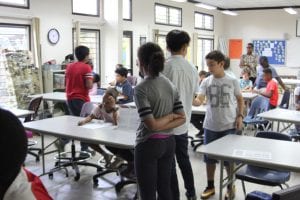
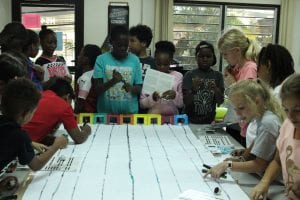
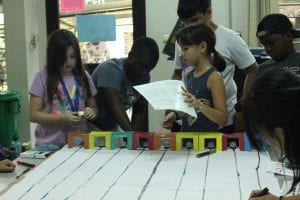
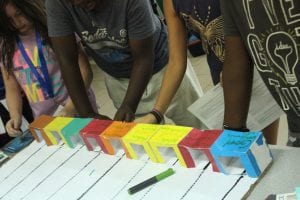
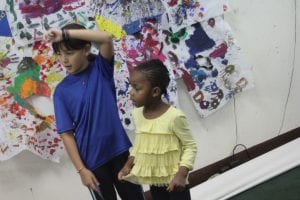
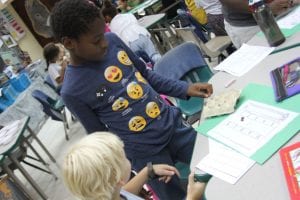
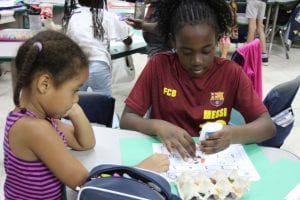
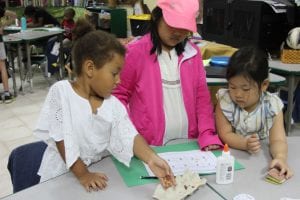
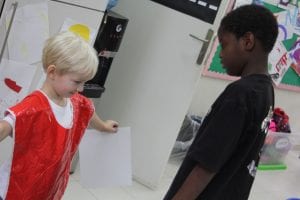
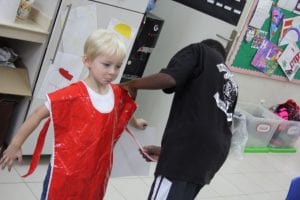
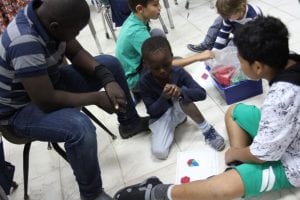
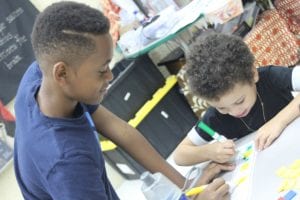
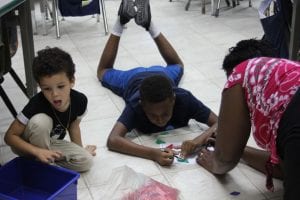
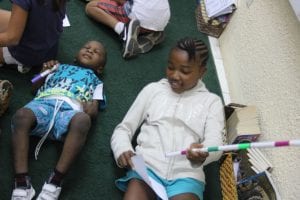
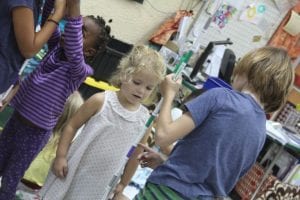
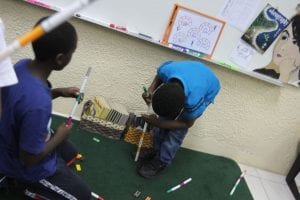
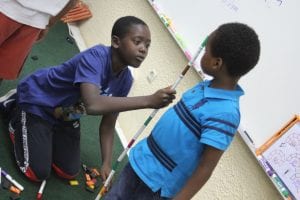
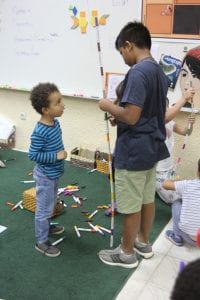
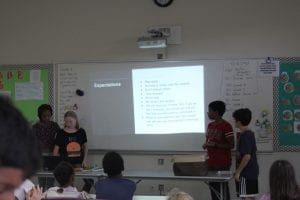
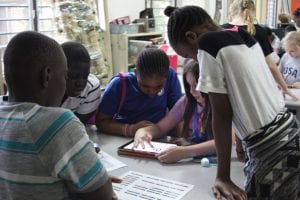
After recess, we had another appointment… this time with sixth graders. For the last several weeks, sixth grade students have been preparing a lesson to teach us how to use Ozobots. A small groups of student leaders communicated regularly with Mrs. Rupp, gathering information about our class, sharing ideas, and receiving feedback. All their planning culminated in today’s big event. Upon our arrival, we were greeted by the sixth grade students and invited to sit in pre-established triads. The group leaders then shared a brief presentation establishing expectations, setting the purpose, and sharing the agenda for our time together. With clear signals and expectations, sixth grade students divided and conquered. The challenge… use the iPads to design a dance for the Ozobots, which would culminate in a dance off. Fourth grade scholars, along with their sixth grade coaches were completely engaged in the process the entire time, experimenting with various designs, patterns, colors and codes. Students were willing to take risks and receive feedback. It was especially interesting to see how everyone from both classes showed a number of learner profile traits – open-minded, communicator, knowledgeable, risk-taker, principled, and reflective. After the dance off, students then had to create a color-coded pattern for speed in preparation for a final race.  Exciting!!
            

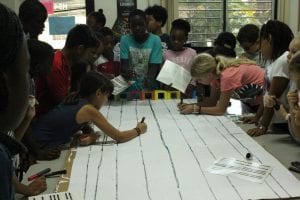
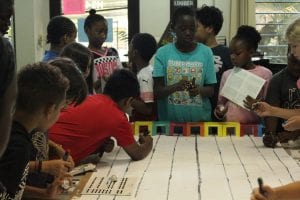
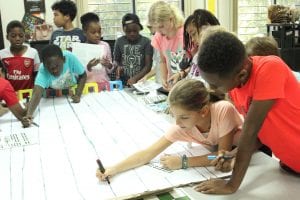
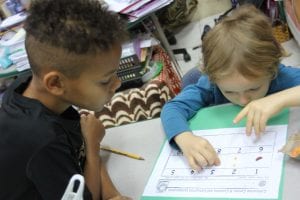
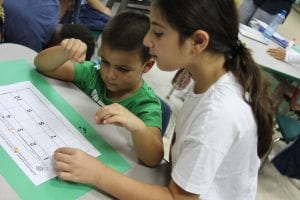
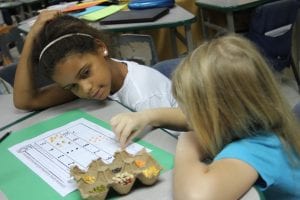
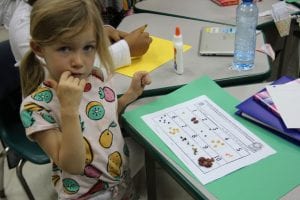
To end our day, we worked to represent our data on a line plot. The trickiest part was creating the number line. As it happened, after we started, we had to revise and redo our line, so all our data fit without being too tight.

The Making of the Masterpieces

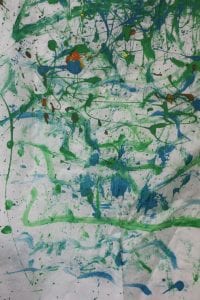
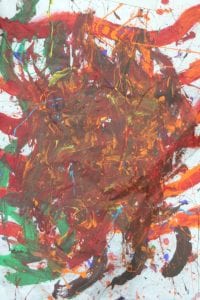
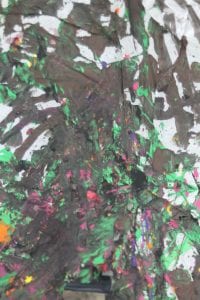
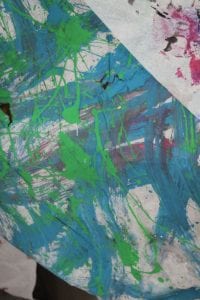
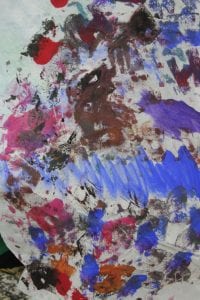
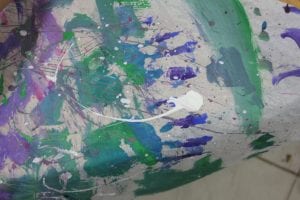
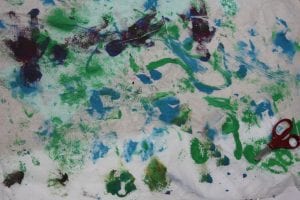
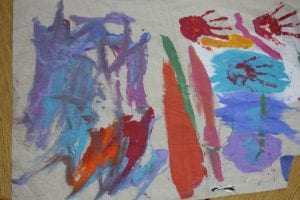
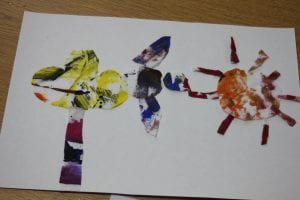
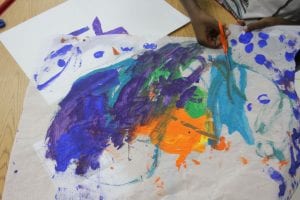
Two weeks ago, during our regular art time, we worked to prepare our tissue paper library in preparation for… the making of our masterpieces!
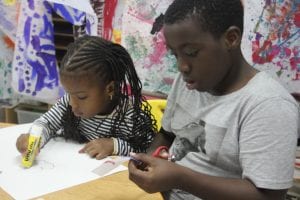
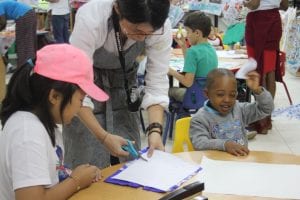
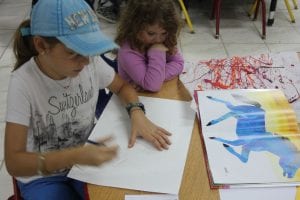
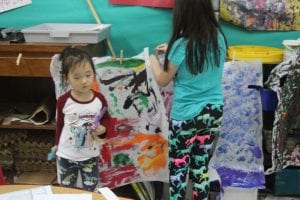
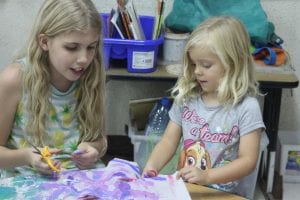
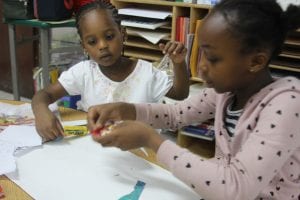
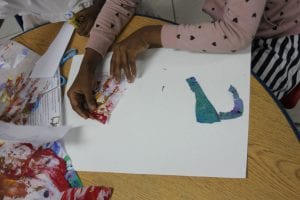
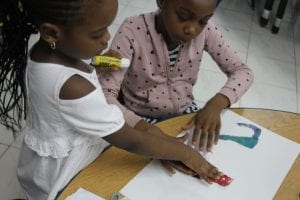
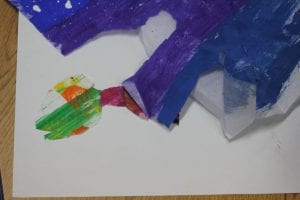
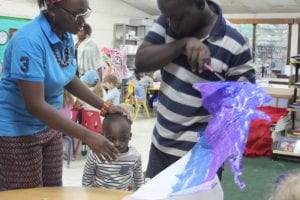
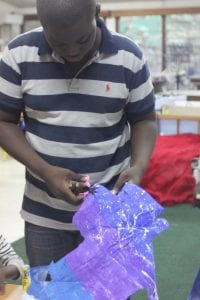
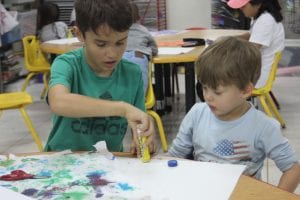
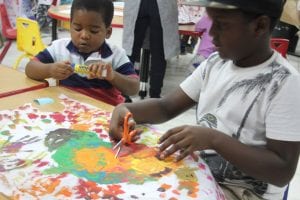
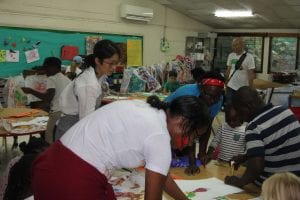
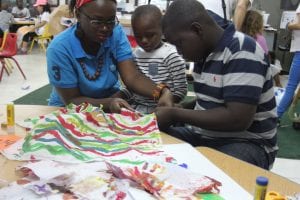
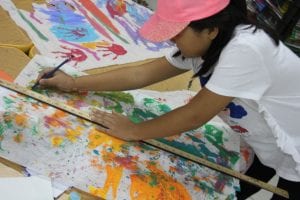
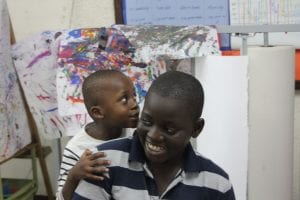
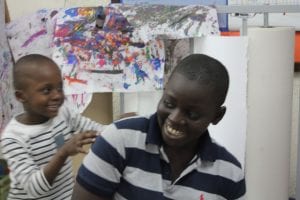
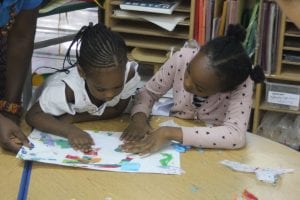
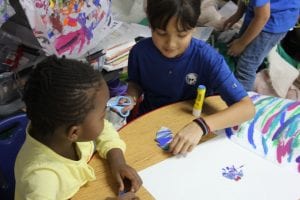
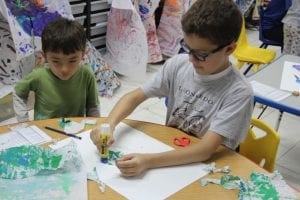
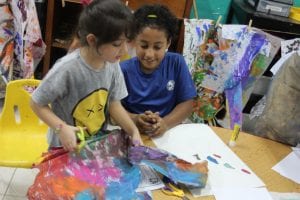
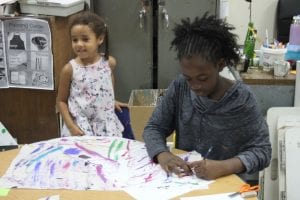
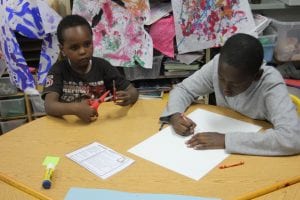
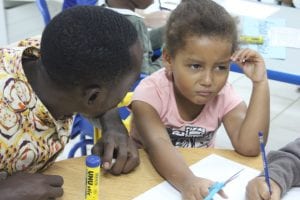
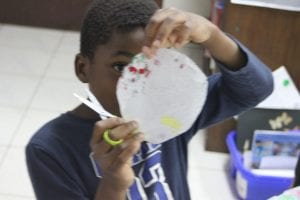
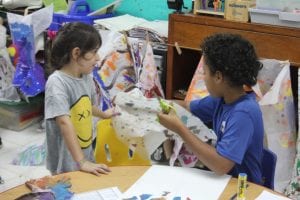
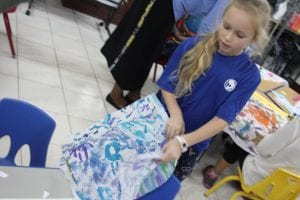
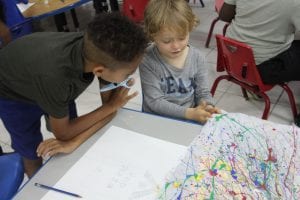
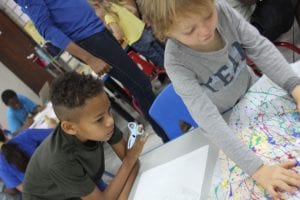
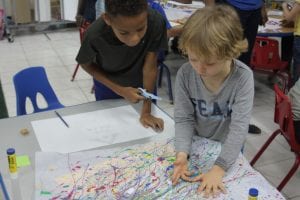
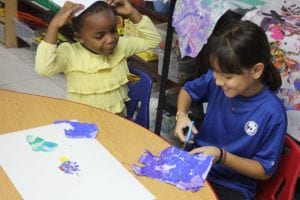
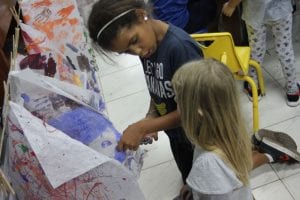
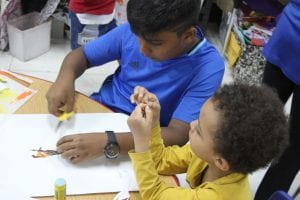
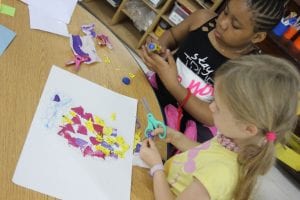
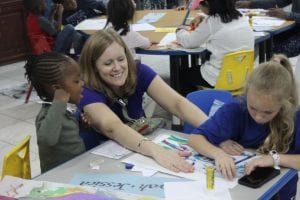
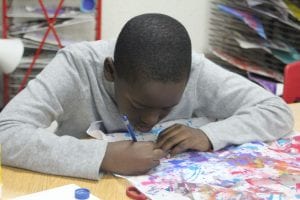
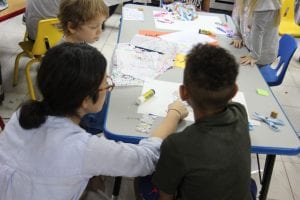
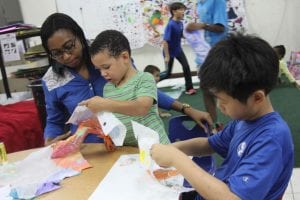
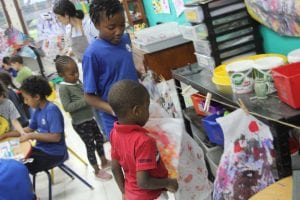
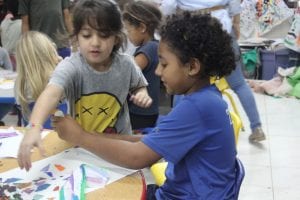
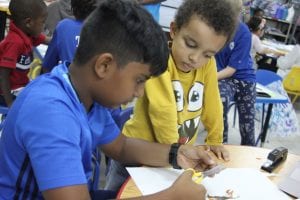
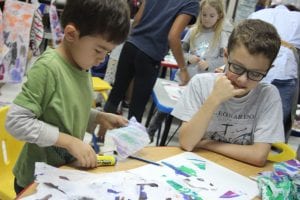
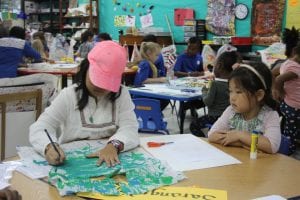
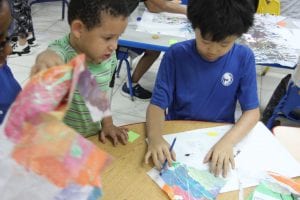
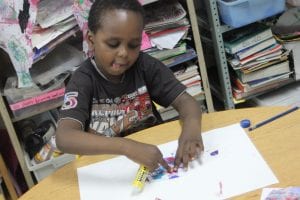
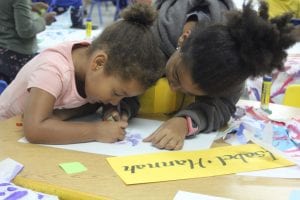
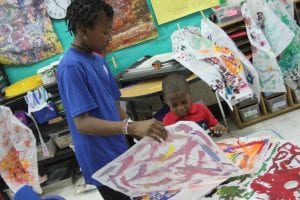
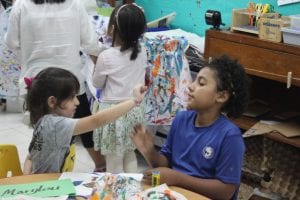
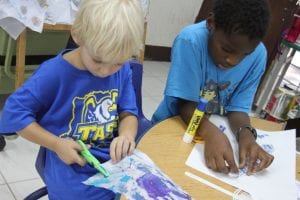
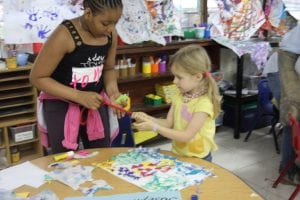
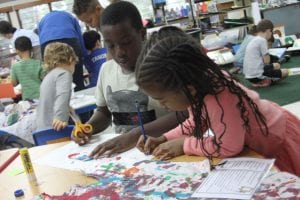
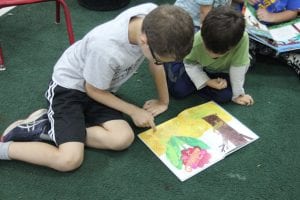
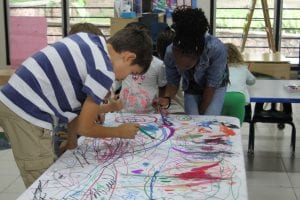
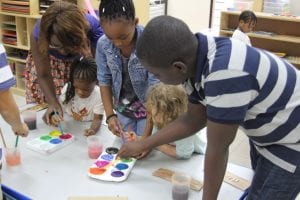
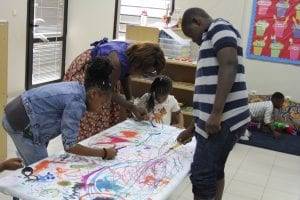
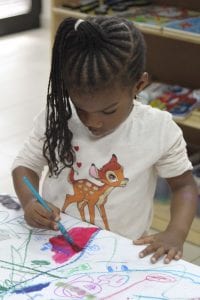
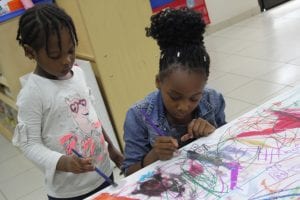
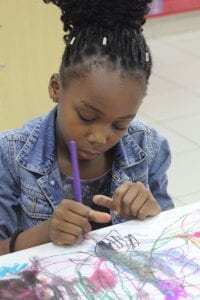
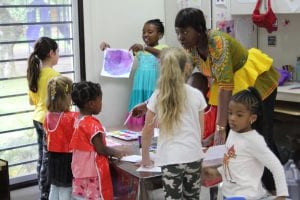
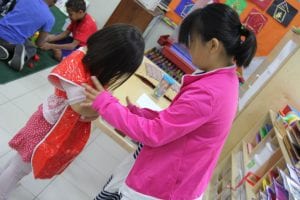
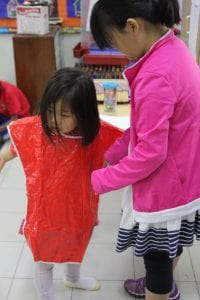
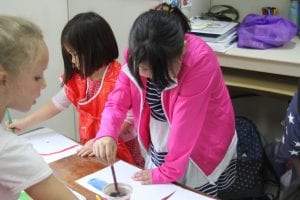
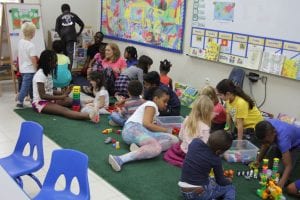
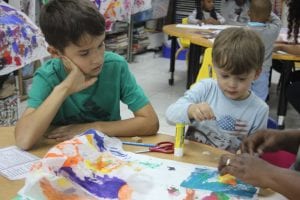
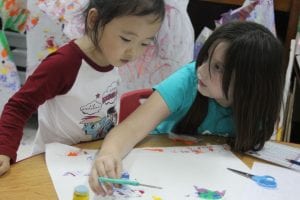
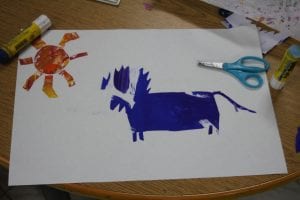
On Thursday, with supplies set and senses stimulated, fourth grade scholars and students from Preschool 1 met in Ms. Yoko’s art studio for our first collaborative creation session. Having had a bit of a warm-up on Wednesday during our regular buddy time together, all artists were ready to transform imaginations into illustrations.

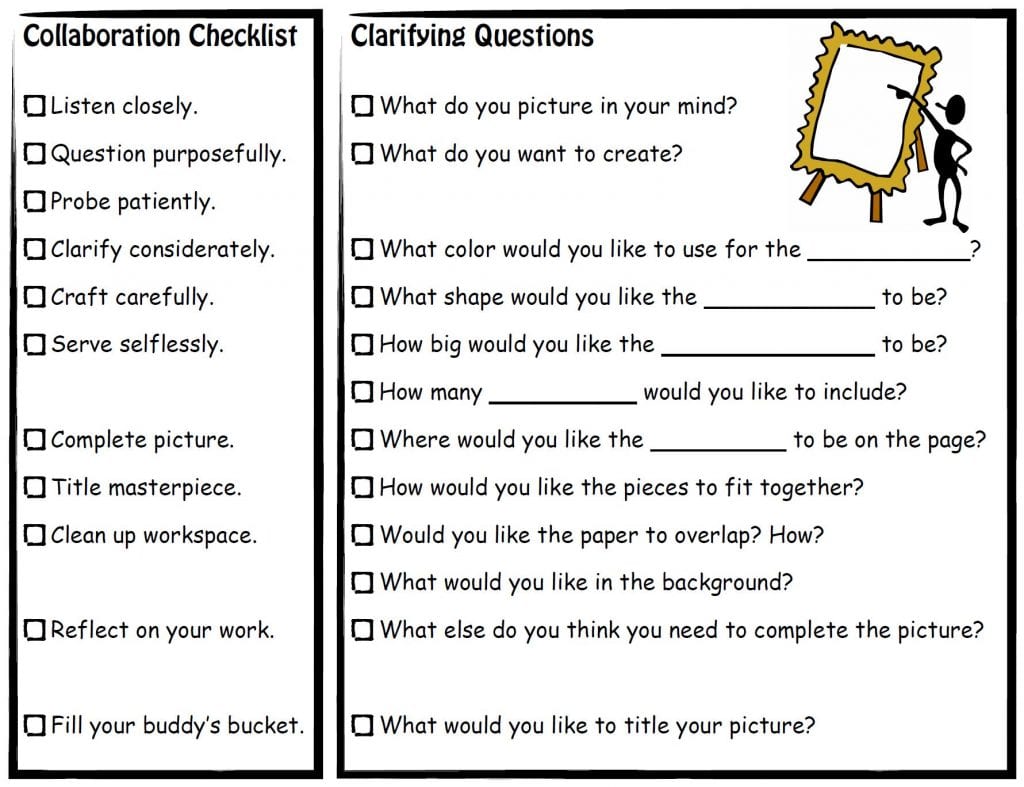
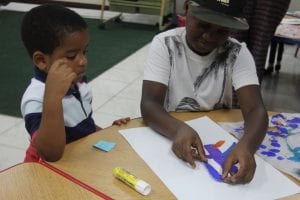
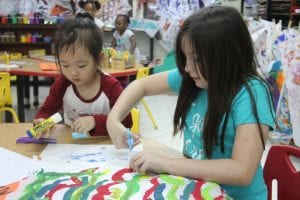
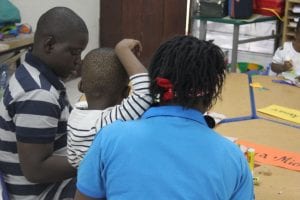
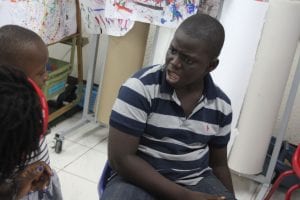
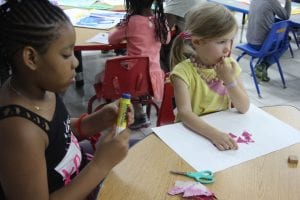
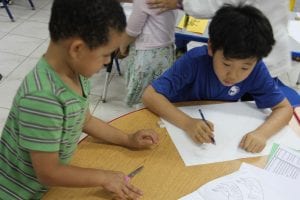
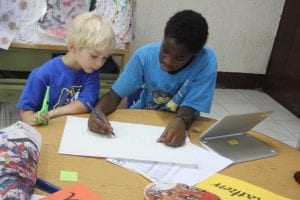
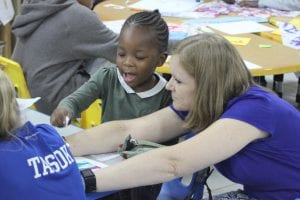
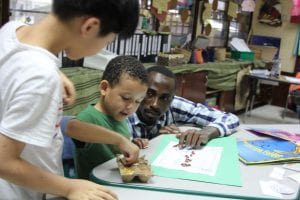
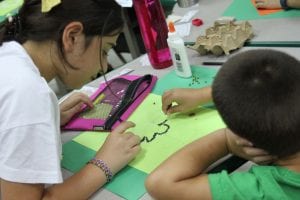
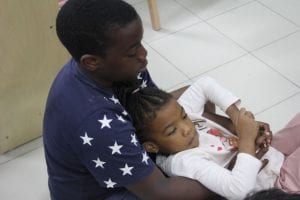
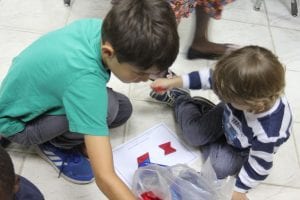
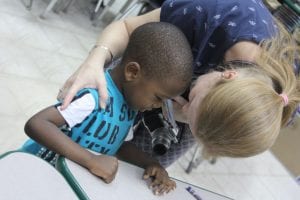
Guided by a collaboration checklist and clarifying questions, big buddies gathered information from the little buddies in order to accurately assemble the art. Questioning and clarifying were keys to success… and a pinch of patience helped, too.

Joy, pride, caring, and selflessness were evidenced throughout the entire process.


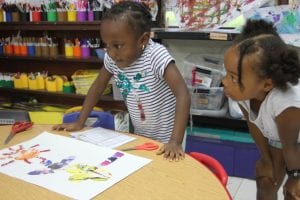
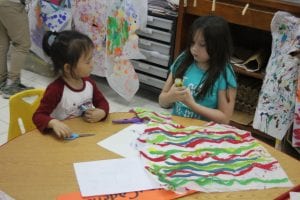
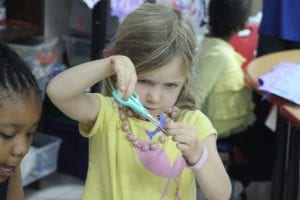
On Friday, we doubled our numbers as a second set of scholars settled in with Preschool 2. Once again, the sight of sketches, the sounds of scissors, and sweet smiles filled the room.


Literary Symbols, Lotus (and other) Seeds, and… Livia

Today, we read another text set in Vietnam, The Lotus Seed by Sherry Garland. Once again, we read with our minds focused on our central idea:

Sometimes species are faced with circumstances that force them to struggle or stretch and strengthen causing them to either succomb or succeed (survive).

Sparked by curiosity about the pictures and content, students posed questions, which prompted a particularly powerful discussion that allowed us to ponder BIG ideas related to power. This discussion crossed countries and continents and connected texts we have been reading and on which we have been reflecting.

Our literary focus was on the significance of symbols. Authors often embed simple symbols in their stories to convey significance. By repeating the symbol, authors promote deeper meaning, create a mood or feeling, or support a theme or message. After our initial reading today, we took time to identify the key events in the story, each connected to the lotus seed. Tomorrow, will we evaluate the emotions related to each event and the role of the lotus seed at each stage.

The Significance of Symbols

Check out this episode of Reading Rainbow, which features the reading of The Lotus Seed. The video also highlights the experience of several young people who emigrated from:

  • Vietnam.
  • Yemen.
  • Russia.
  • South Africa

They compare and contrast their home countries to their new country. They also share some of the things with which they have struggled as they adjusted and how they are not only surviving but thriving in their new homes.

As you watch, think about what learner profile traits are exhibited by each person. Also, pay attention to what “symbols” they mention that allow them to stay connected to their homes.

For some of us, the story of the lotus seed also connected to our research in our nonfiction science readers. Using Cornell notes, we continued our research and our diary entries.

Challenge:

  • How can we connect the story set in Vietnam to the topic of plant reproduction.
  • How are the struggles to survive between people and plants similar and different?

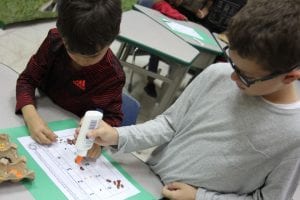
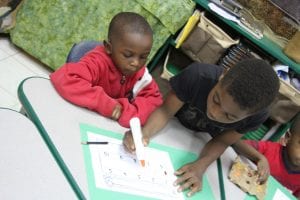
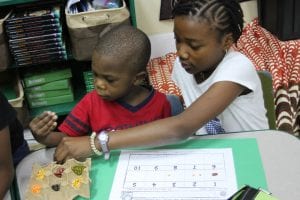
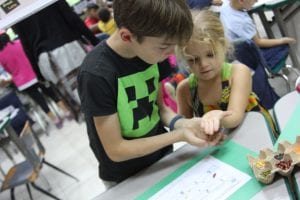
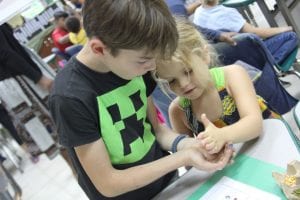
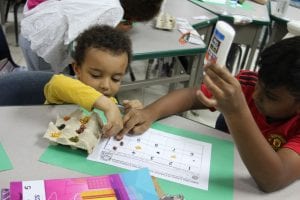
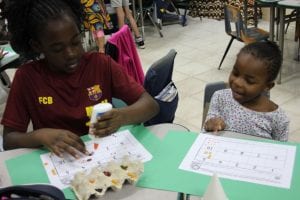
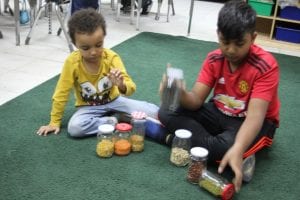
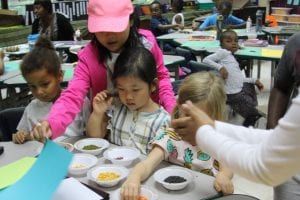
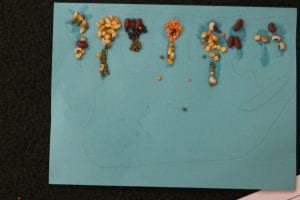
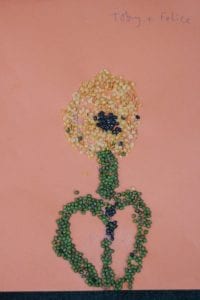
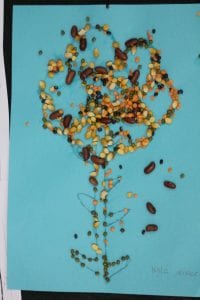
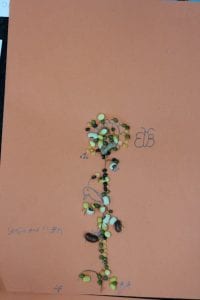
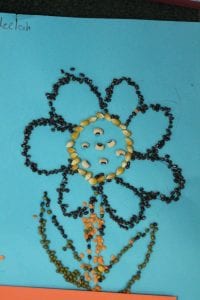
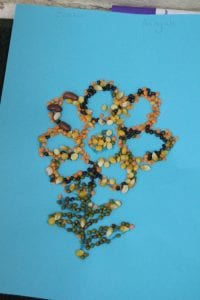
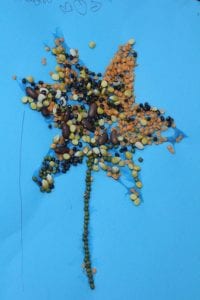
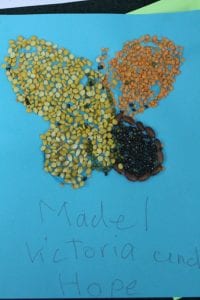
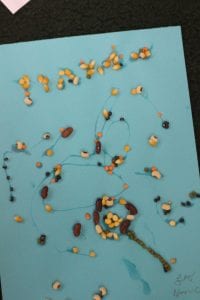
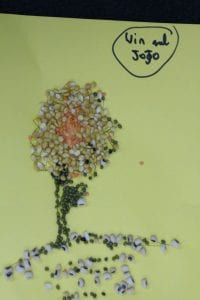
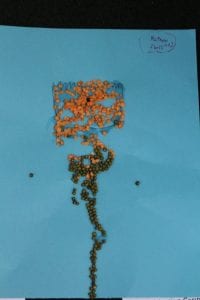
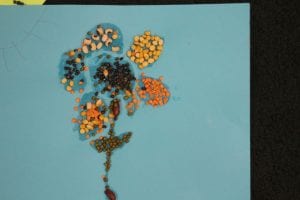
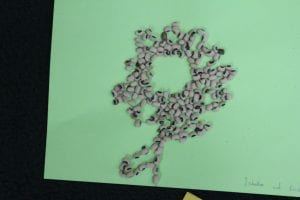
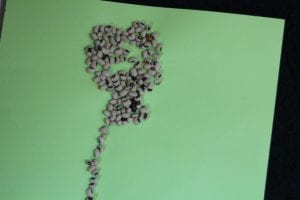
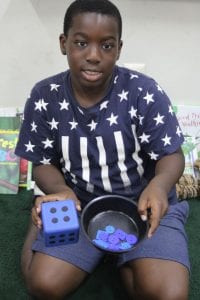
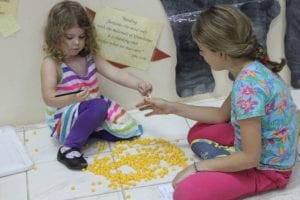
In addition to reading The Lotus Seed, some of us also read The Tiny Seed by Eric Carle during buddies today. We then used seeds to help our buddies count and create a collage of beans.


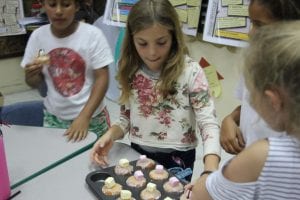
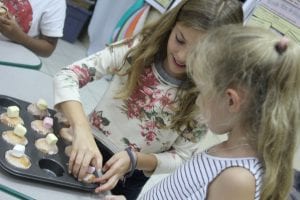
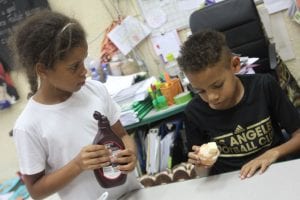
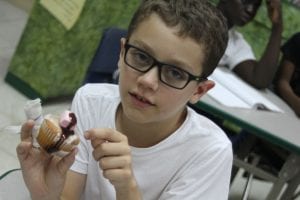
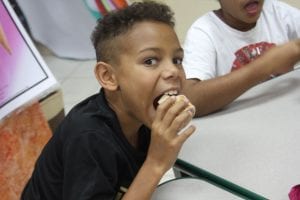
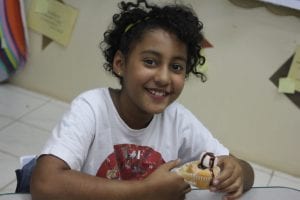
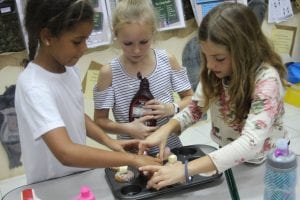
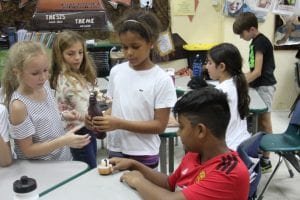
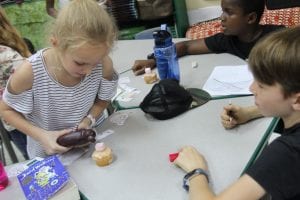
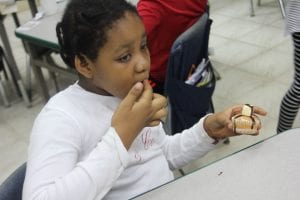
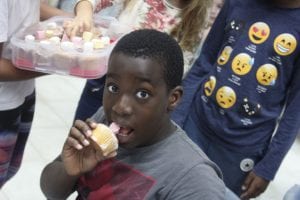
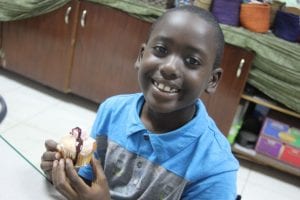
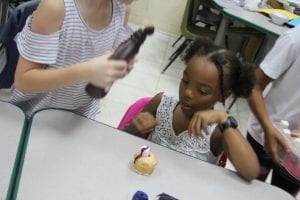
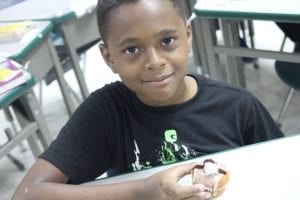
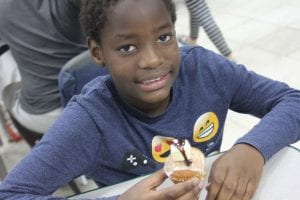
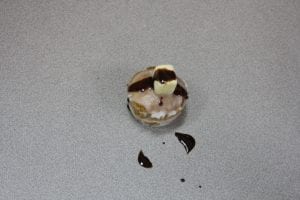
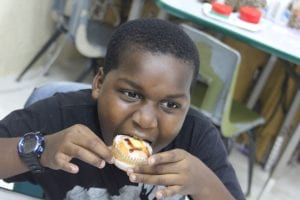
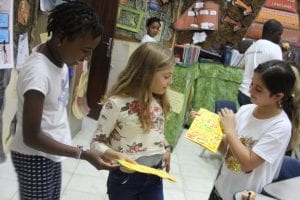
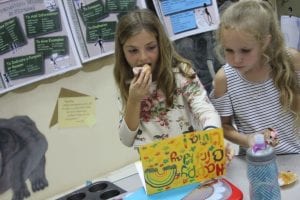
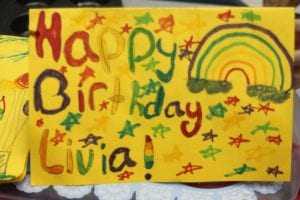
Despite being a short day, our Wednesday was full and finished off fabulously with… cupcakes, marshmallows, and chocolate sauce in honor of Livia’s birthday. We are grateful for the gift of Livia who lights up our lives each and every day!


Must-See Museum of Masterpieces

As we approach the end of our month of caring and enter into our month of risk-taking, we will be engaged in number of learning adventures that will allow us to highlight these and other learner profile traits we have been growing throughout the year.

This year, we have had the privilege of learning and growing with our beloved buddies from Preschool 1 and 2. In addition to our regular times together, they have asked us to be part of a creative collaboration inspired by the work of Eric Carle, famed children’s book author and illustrator (Additional resources will be posted on the blog). We are thrilled to play a part in what will most certainly be a memorable and meaningful meshing of minds and muscles.

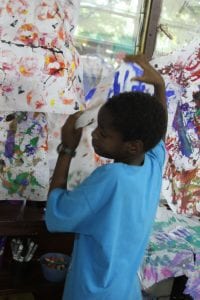
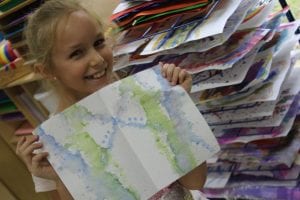
In preparation for this project, Mr. Matthew and Mrs. V shared with us a video of Eric Carle documenting the process and purpose behind his artwork. We also, under the direction of Ms. Yoko, created a prolific palette of paper using Eric Carle’s technique. Tissue paper teeming with  tones, textures, and timbres will soon be transformed into terrific tableaus, which is our task this coming week.

Initiated and inspired by the ideas and imaginations of our buddies, we will serve with scissors and support selflessly as each scene takes shape. Through purposeful questioning, considerate clarifying, and patient positioning and pasting, we will listen as our buddies lead us to the making of museum-worthy masterpieces.

It is to this must-see museum of masterpieces we would like to extend to you an invitation. (Note: Fabulous formal invitations will be distributed, but we wanted you to have advance notice of this special event).

Date:           Wednesday, March 20, 2019

Time:           5:30 to 7:00 p.m.

Venue:          TASOK’s CAC

Attire:         Formal

Notes:          Light refreshments will be served


Scholarly Multiple Sources


Homework for Feb. 25 – Mar. 1 (Week 25)

  1. Read for at least 30 minutes each night. Complete the online reading log OR one on paper. (Copies are available in class).
  2. Explore some lessons on IXL.com and / or Khan Academy in the following areas:
    • *Fractions 
    • *Mixed Number Computation*
    • Measurement
    • Logical Reasoning
    • **A Scholar has a goal: This week, we answered 2,284 questions and almost 19 hours on IXL. 
  3. Log on and “Launch” into some learning with Everyday Math. (Note: Log on information is in your planner.) **Alert: Any lessons in Unit 4 can be reviewed.**
  4. Reflect back on Week 24 and complete the “Reflection: Learning Habits” form.
  5. Note: Homework is due on Fridays.**Check back later in the week for additional homework related to in-class discussions and activities.

    Announcements

    1. Library is scheduled weekly on Mondays from 9:30 – 10:10 a.m.
      • Be sure to bring your book bag!
    2. P.E. is scheduled weekly on Mondays and Fridays. Come dressed to exercise – sneakers, hat, sunscreen.
    3. Eighth Grade students have invited us to view their Natural Disasters Exhibit on Monday.
    4. We will be spending time with our buddies on Wednesday.
    5. Our big Eric Carle collaboration with our buddies will occur on Thursday or Friday.
    6. NO ASAs this week.
    7. The high school basketball tournament begins on Friday.

Coming Soon

  • Mar. 4 – Trimester 3 ASAs begin
  • Mar. 20 – Eric Carle Exhibition – 5:30 – 7:00 p.m.
  • Mar. 22 – Swim Gala


Learner Profile Trait of the Month – CARING

Coming Soon: I “CARE” About Reading and Writing Week

Author of the Week: Seymour Simon

Seymour Simon

Challenge: Read and record books to add to our reading rainbow

Monday, February 18

  • Dress Up: Pajama Day
  • Kick0off Assembly: 8:15 a.m.
  • D.E.W.: Card of Caring (for classmate)

Tuesday, February 19

Wednesday, February 20

  • Dress Up: Hat Day
  • Mix-It Up Picnic: 11:15 a.m. (Read with Buddies)
  • D.E.W.: Letter of Appreciation (to staff)

Thursday, February 21

  • Dress Up: Twin Day
  • D.E.W.: Venn Diagram and composition comparing author’s books

Friday, February 22

  • Celebratory Assembly: 8:15 a.m.
  • Dress Up: Rainbow Color (Sky / Light Blue)
  • D.E.W.: Reading / Writing Reflection

Homework for Feb. 4-8 (Week 22)

  1. Read for at least 30 minutes each night. Complete the online reading log OR one on paper. (Copies are available in class).
  2. Explore some lessons on IXL.com and / or Khan Academy in the following areas:
    • *Metric Measurement*
    • *Multidigit Multiplication*
    • Logical Reasoning
    • **A Scholar has a goal: This week, we answered 2,282 questions and spent just over 18 hours on IXL. 
  3. Log on and “Launch” into some learning with Everyday Math. (Note: Log on information is in your planner.) **Alert: Any lessons in Unit 3 and 4 can be reviewed.**
  4. Reflect back on Week 21 and complete the “Reflection: Learning Habits” form.
  5. Note: Homework is due on Fridays.**Check back later in the week for additional homework related to in-class discussions and activities.

    Announcements

    1. Library is scheduled weekly on Mondays from 9:30 – 10:10 a.m.
      • Be sure to bring your book bag!
    2. P.E. is scheduled weekly on Mondays and Fridays. Come dressed to exercise – sneakers, hat, sunscreen. (Welcome back Mr. Wilson! Thank you, Ms. Toni, for helping us learn badminton, while Mr. Wilson was away!)
    3. If you are participating in this years Talent Show, please return your permission slip as soon as possible. It is due on Thursday, Feb. 7.
    4.  We will be meeting with our buddies on Wednesday, Feb. 6.

Coming Soon

  • Feb. 18-22 – I Love to Read and Write Week
  • Feb. 23 – Dodgeball Tournament

  • Mar. 4 – Trimester 3 ASAs begin
  • Mar. 22 – Swim Gala


Learner Profile Trait of the Month – CARING

Pondering, Preschool, and PARTitioning

Our second reading of A Song for Cambodia caused us to ponder Arn’s experience more deeply. Before rereading, though, questions were posed about the book’s genre. Is it fiction or nonfiction? If fiction, is it realistic or historical? If nonfiction, is it narrative nonfiction? How can we tell?

Today, we also spent a bit more time talking about the foreword and the afterword, each containing important historical information that made us yearn for more information. What keywords could we use to find out more about this story and whether or not it is true? What other factual information related to the setting (time and place) would help use better understand this story? What kinds of multiple sources would be most helpful? Lots to think and wonder about…

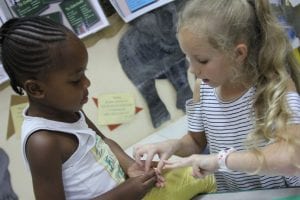
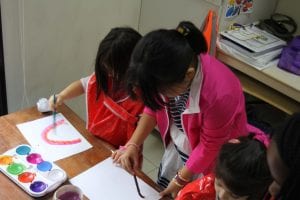
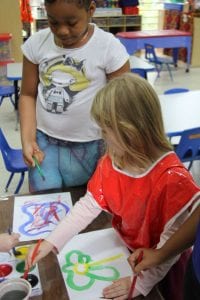
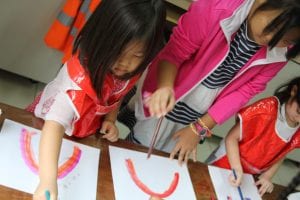
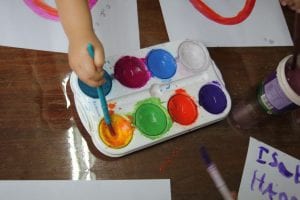
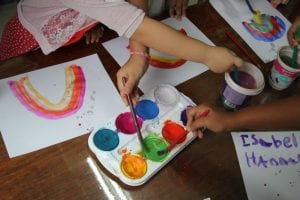
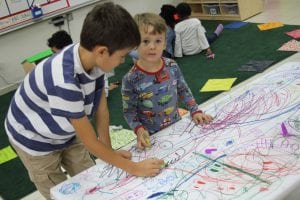
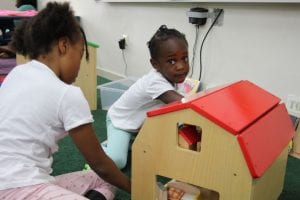
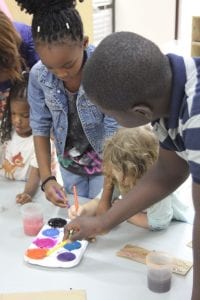
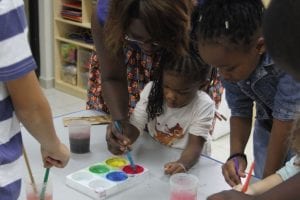
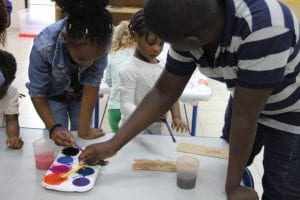
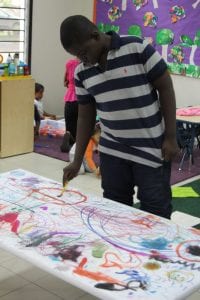
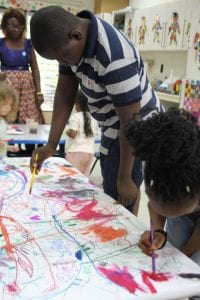
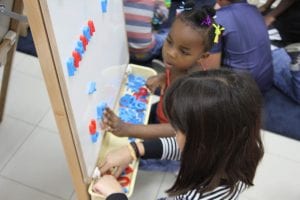
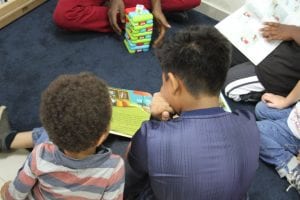
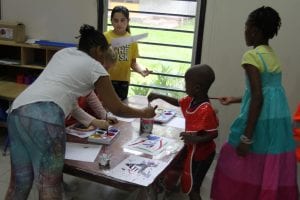
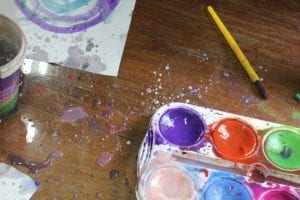
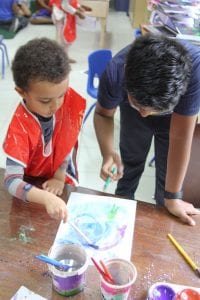
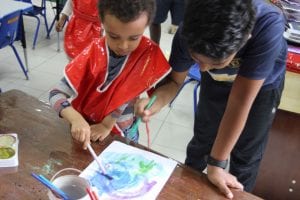
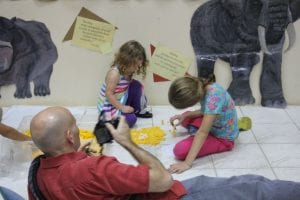
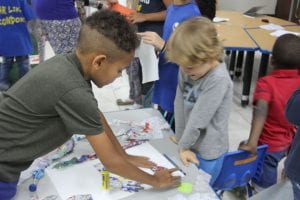
Prior to recess, we headed over to preschool for our first meeting with our buddies in the new year. Everyone was excited to reconnect through play and painting, creating and counting, reading and relaxing. We were extremely grateful to Mr. Matthew and Mrs. van der Merwe for hosting us this week.


As we continued to build our understanding of more complex multiplication, we applied our work with extended facts to a new model for solving problems. By decomposing factors and PARTitioning area models (a.k.a. the partial product box), we were able to efficiently and effectively solve multi-digit problems. In the days ahead, it will be important to save our ideas, so we can apply them in increasingly complex situations.


Patterns, perimeter, paperclips, and a property (symmetry)

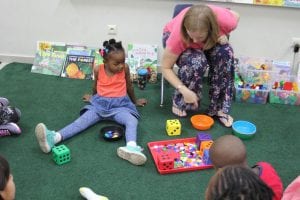
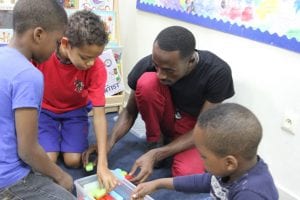
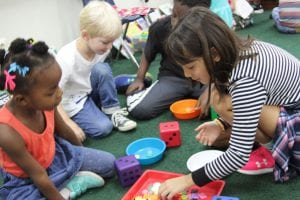
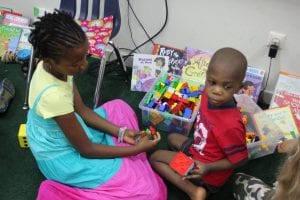
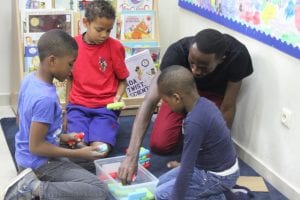
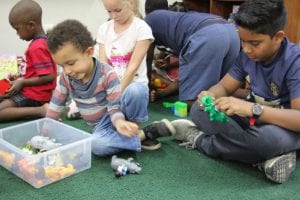
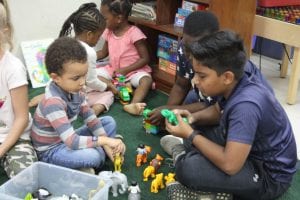
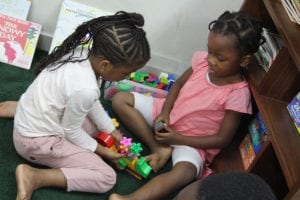
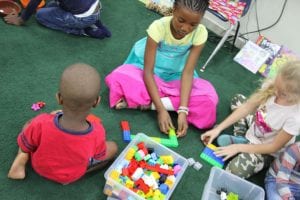
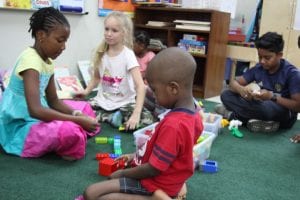
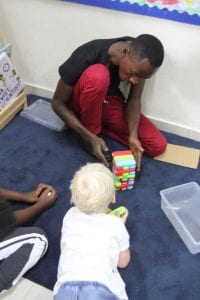
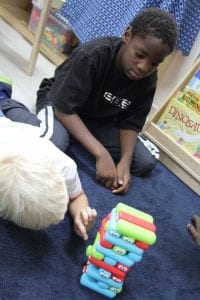
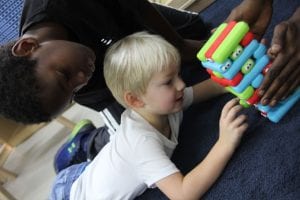
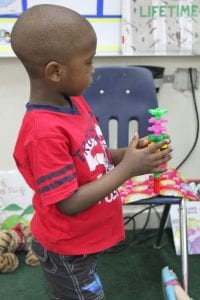
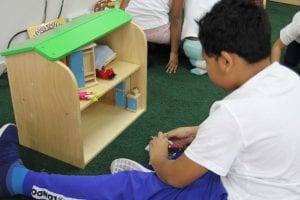
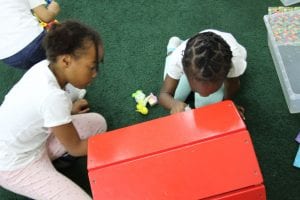
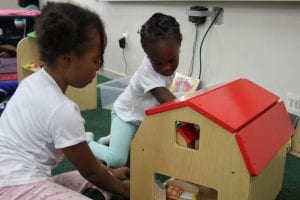
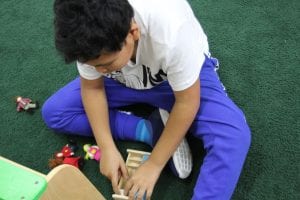
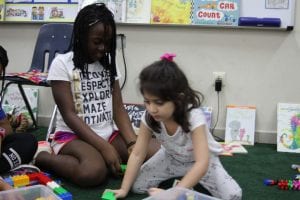
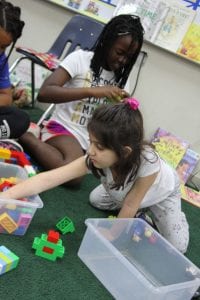
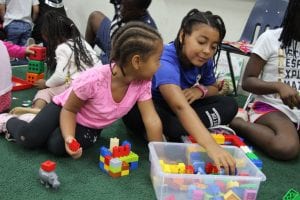
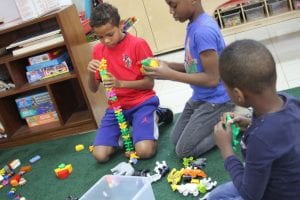
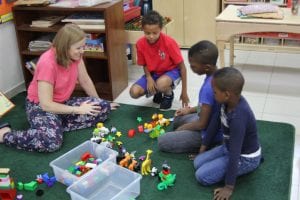
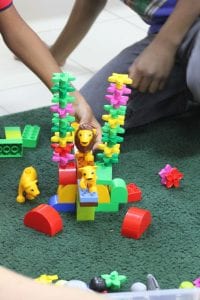
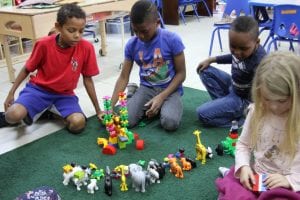
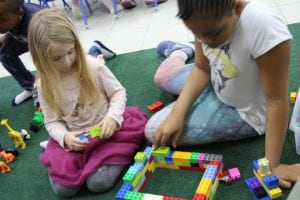
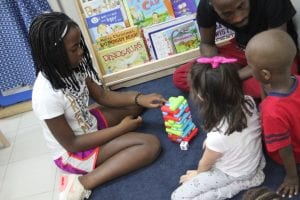
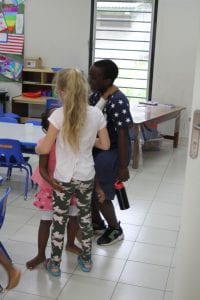
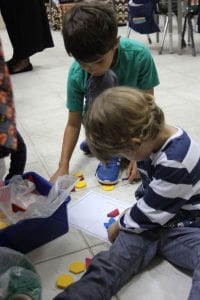
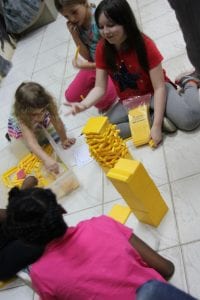
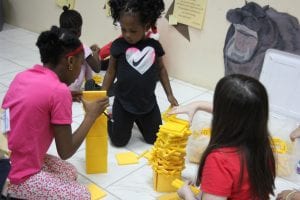
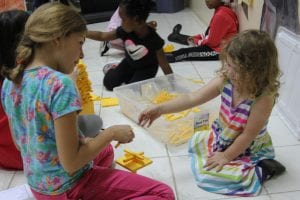
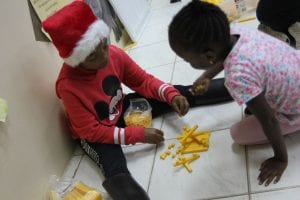
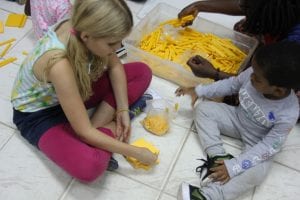
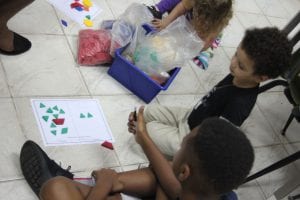
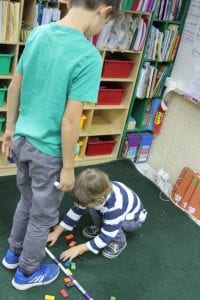
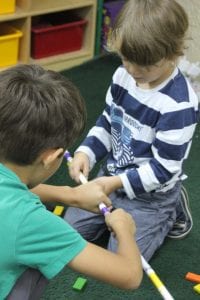
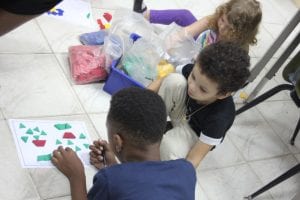
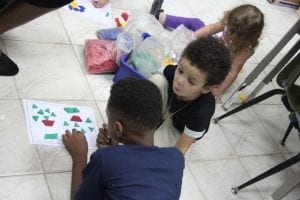
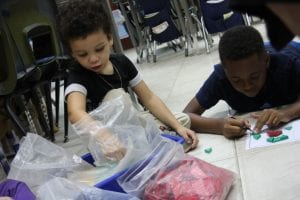
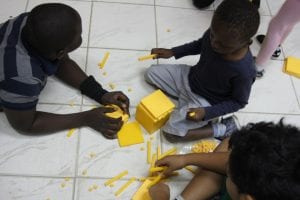
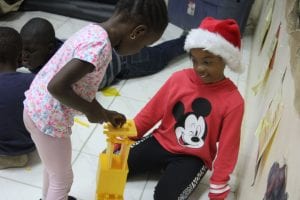
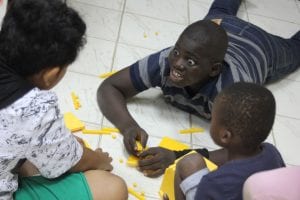
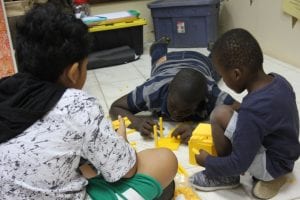
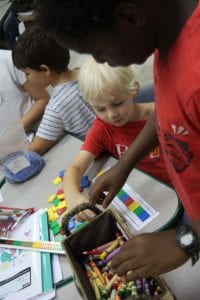
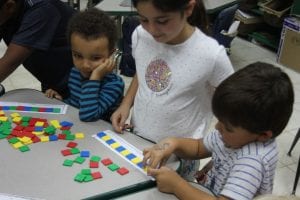
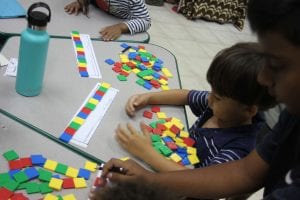
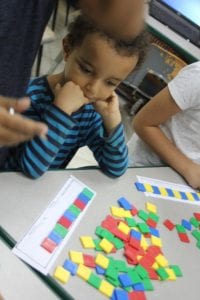
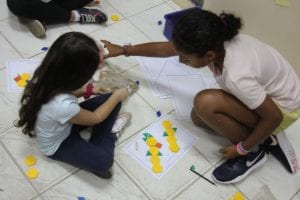
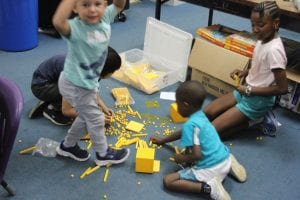
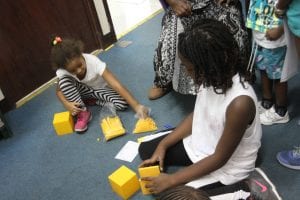
Once again today, we had the opportunity to welcome our buddies into our classroom. This time, PS1 students helped us explore non-standard measurement, pattern building, symmetry, and perimeter and area were ideas explored during our time today. The base ten block structures were especially exciting!


To learn more about these concepts, check out the following videos.

Symmetry, Structures, Sets, and Not-so-Standard Tools

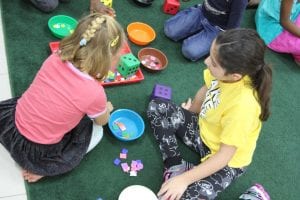
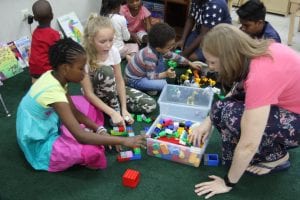
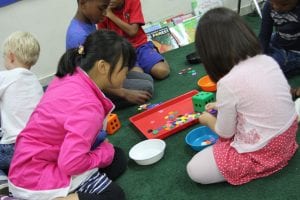
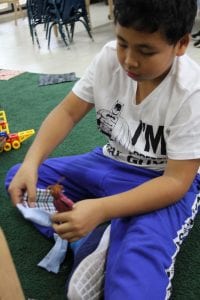
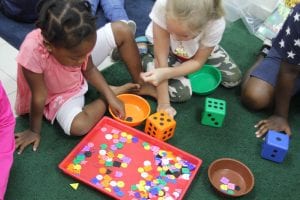
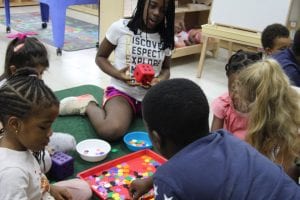
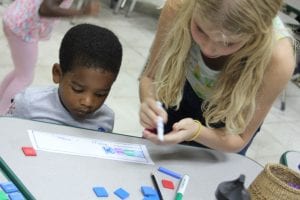
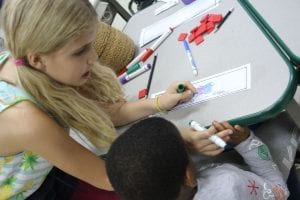
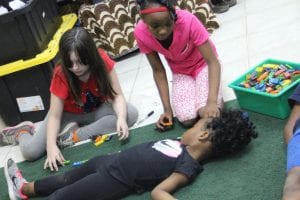
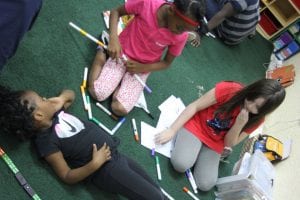
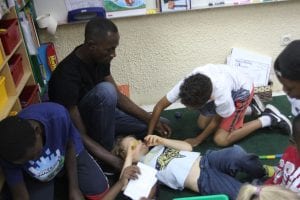
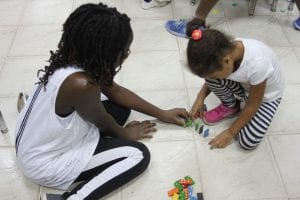
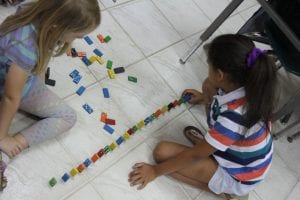
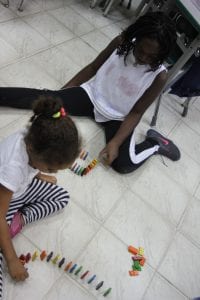
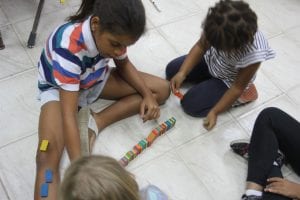
Today, we shared time with our buddies. Some of us went to Mr. Matthew’s class, while others remained in our room to host a host (Bonus: homonyms- see video below) of math activities. In our classroom, we helped our buddies explore some of our math manipulatives, while reinforcing some of the key ideas we have been learning in math, as well.

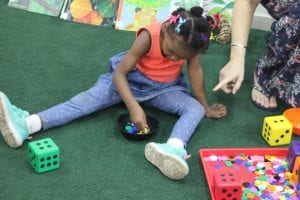
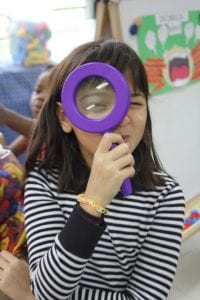
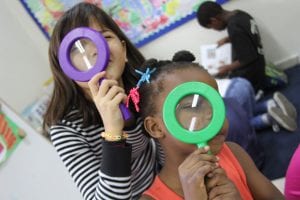
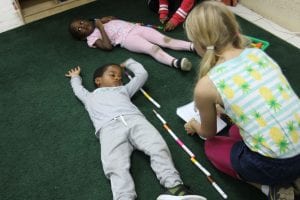
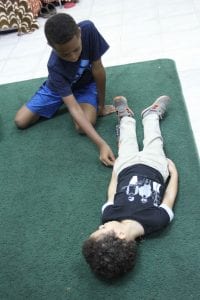
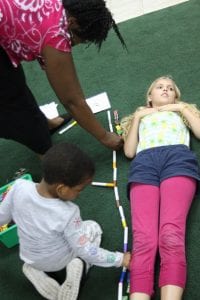
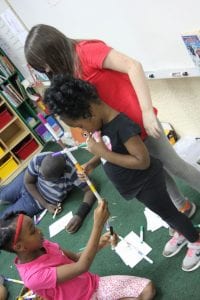
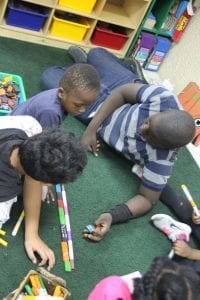
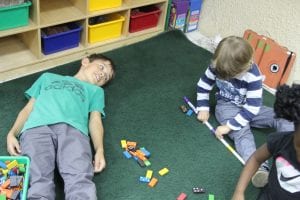
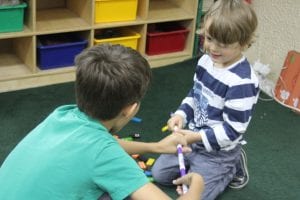
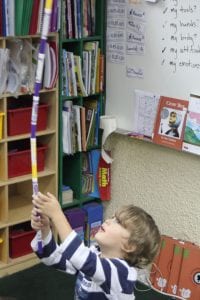
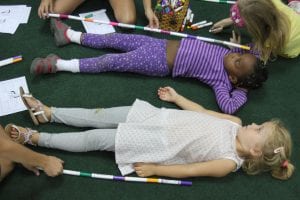
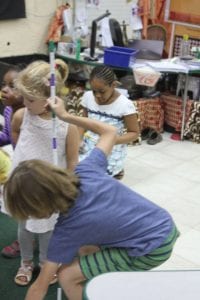
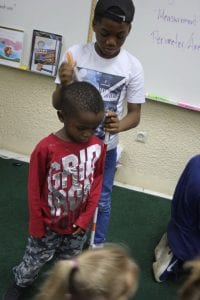
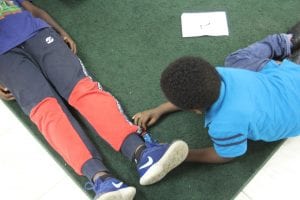
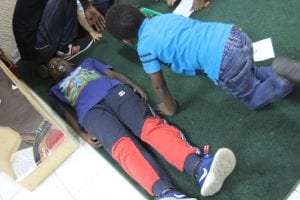
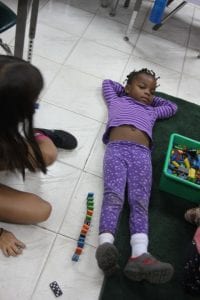
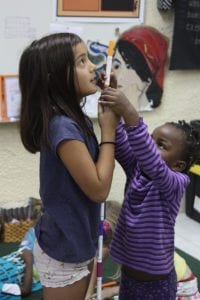
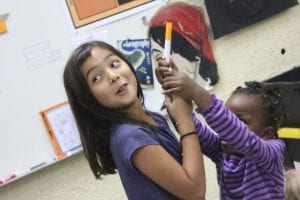
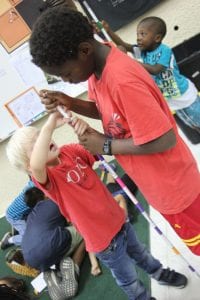
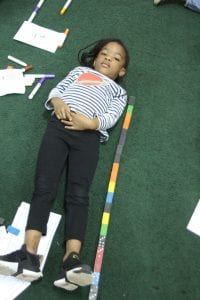
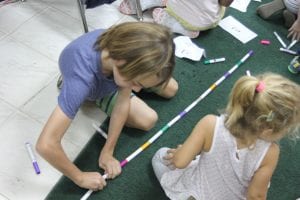
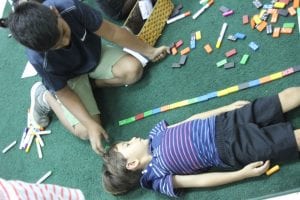
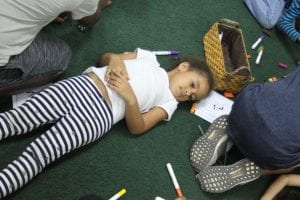
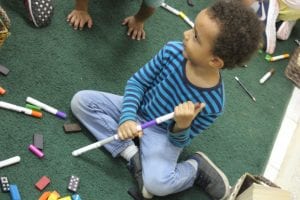
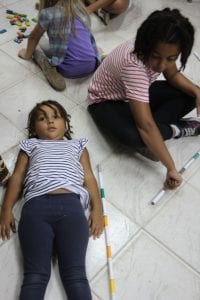
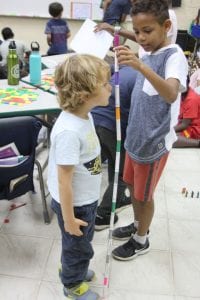
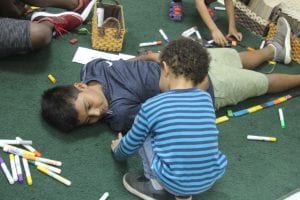
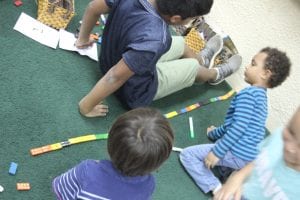
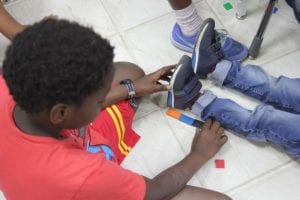
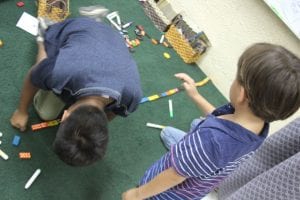
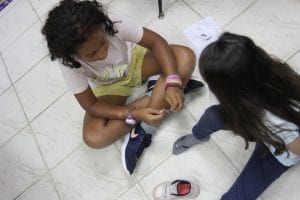
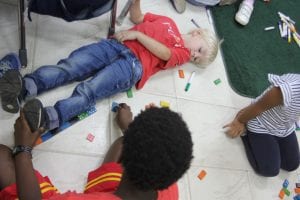
At one station, we used non-standard measuring tools like markers, dominoes, and paperclips to measure our buddies and ourselves. This task tapped into our experience solving a problem in which we had to find equivalent measures by comparing dog treats and paperclips. Eventually, we will convert our non-standard measurements of height and length into metric units.


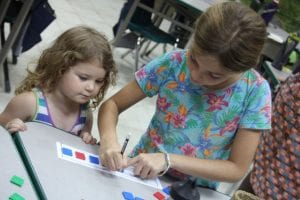
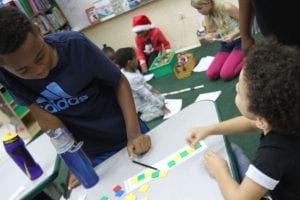
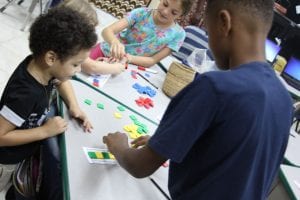
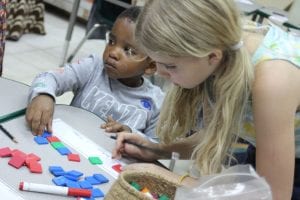
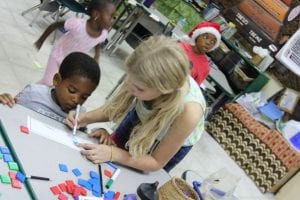
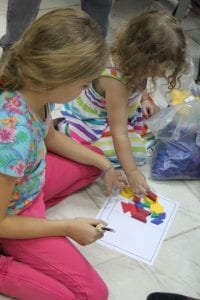
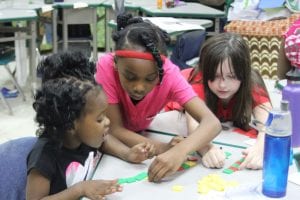
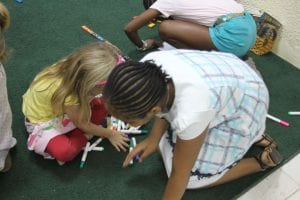
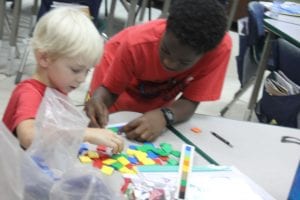
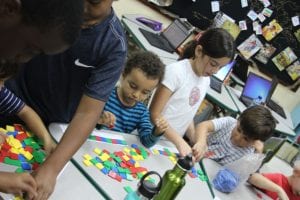
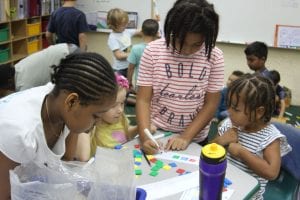
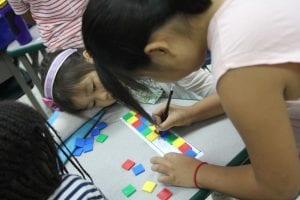
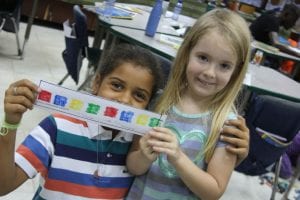
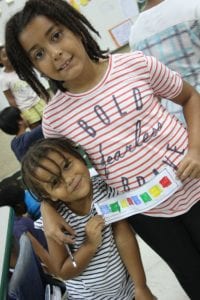
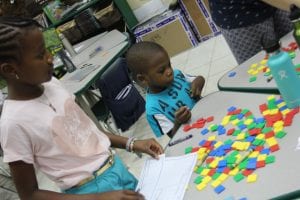
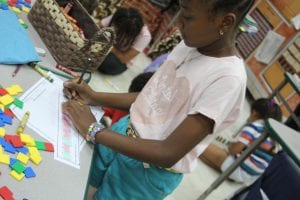
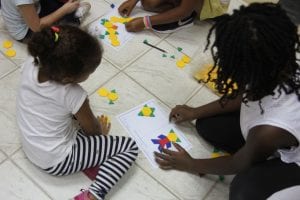
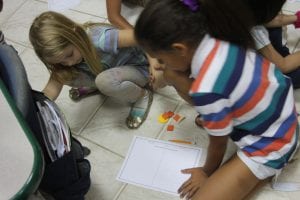
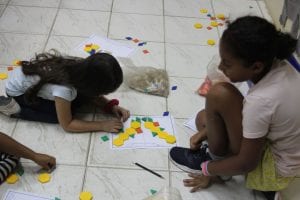
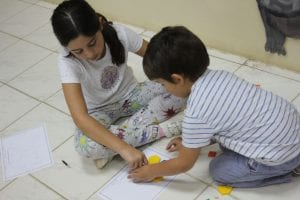
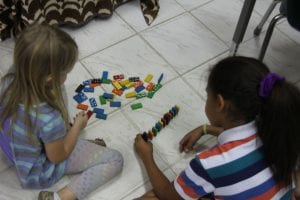
We also helped out buddies build patterns using pattern blocks. Recognizing and building patterns s something students work on in preschool. We also explore patterns in fourth grade, but we apply our understanding to things like multiples and function (input-output) tables.


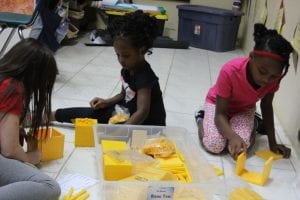
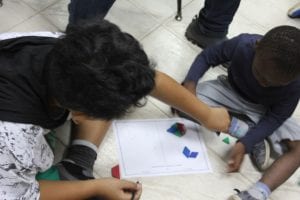
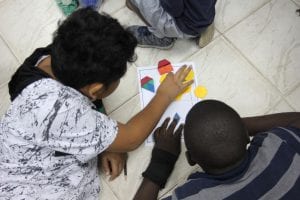
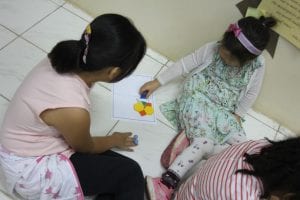
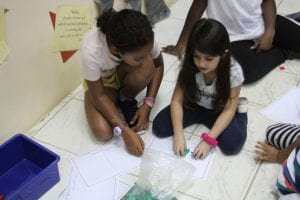
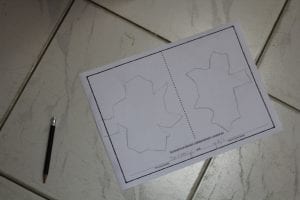
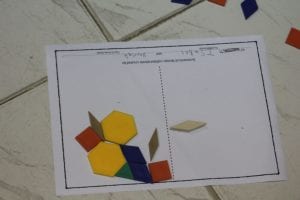
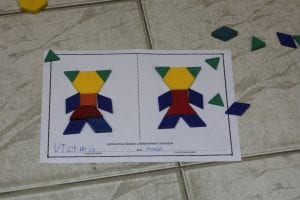
Symmetry was the focus of another station. Our buddies used pattern blocks to create a design. It was our challenge to create a reflected symmetrical representation of that design.


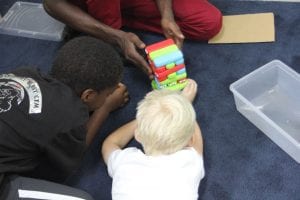
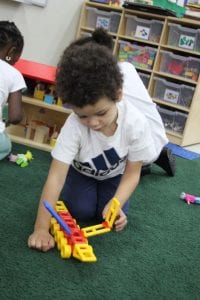
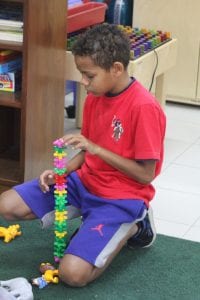
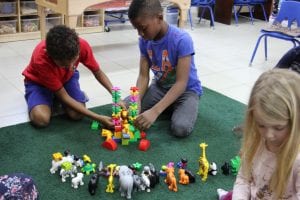
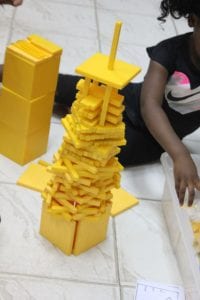
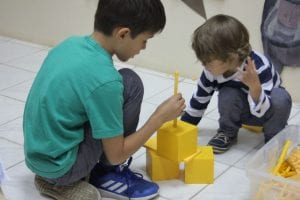
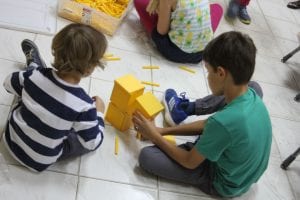
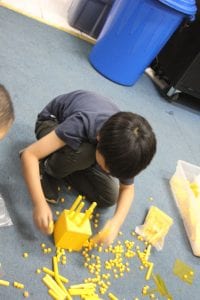
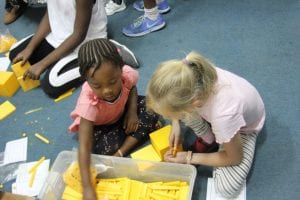
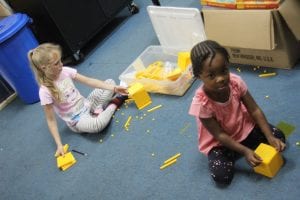
Our fourth station required us to collaboratively build a structure using base ten blocks. We then had to calculate the perimeter and area of our structure. A bonus measurement was volume, which we will learn about more later in the year.


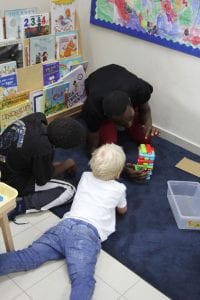
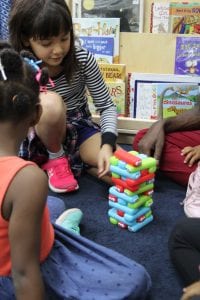
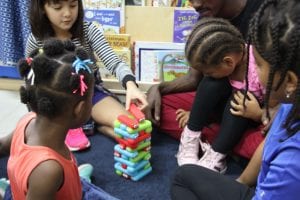
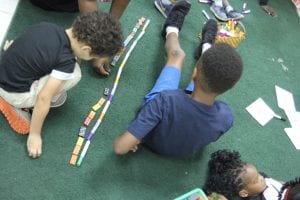
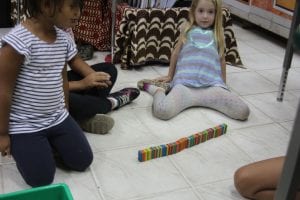
With the bit of extra time some groups had, they got creative with the dominoes. How many do you think they were able to stack before they toppled over. Patience and persistence were tested here.


Nonstandard Measurement

Do you think these would be good videos to share with our buddies to help them better understand the process of measuring?

 Bonus: Homonyms

Because we were able to host a host of math activities, let’s explore the idea of homonyms and a whole host of other words. (*I learned a lot from this video. And, I am curious about the links mentioned.)